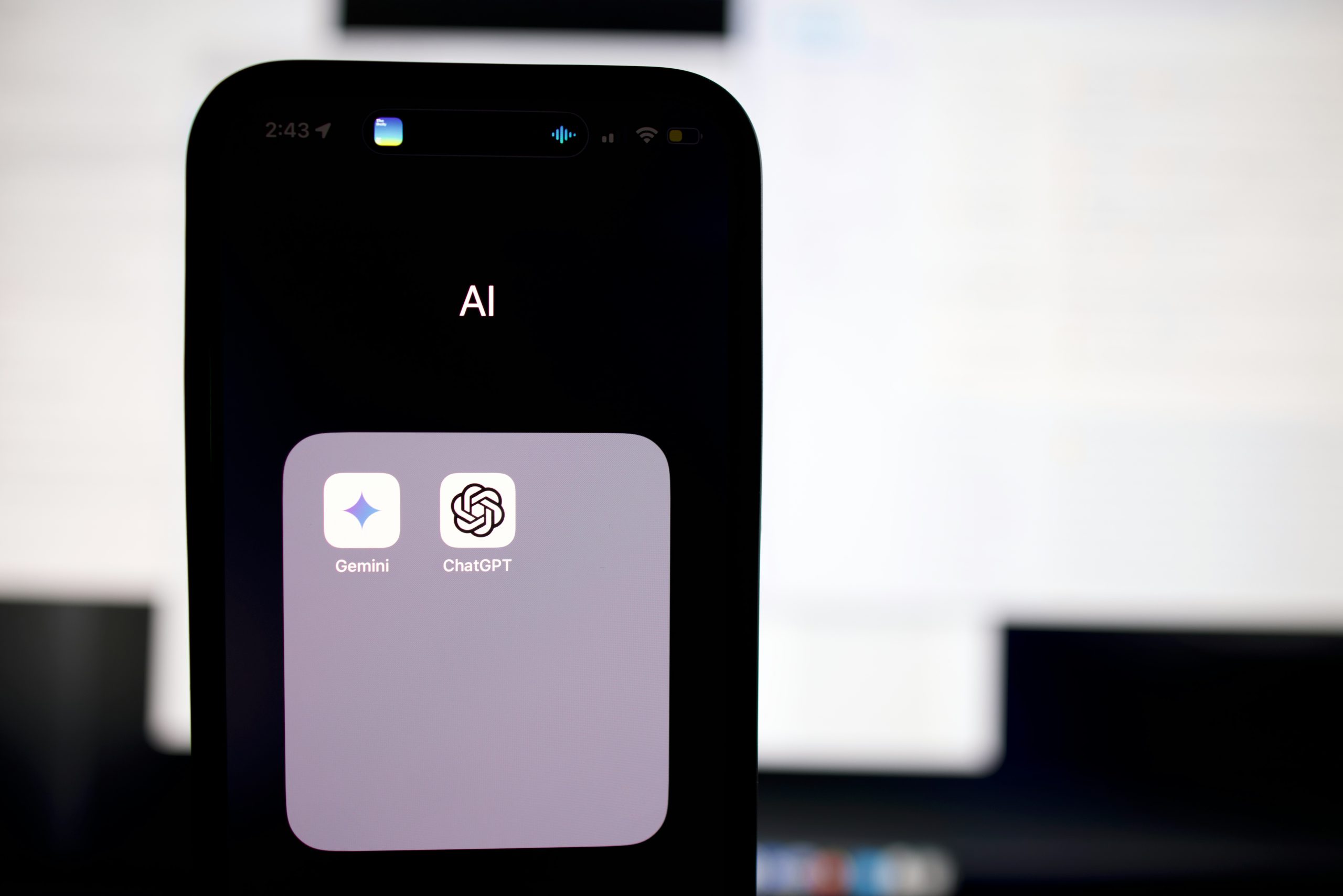
Artificial intelligence has massively changed what a regular day looks like for an average worker. AI has allowed workers to rely on AI for assistance in research, copy checking and responding to emails from clients and their boss.
Several high-profile business leaders have spoken publicly about how AI is changing how we work, including the CEO of XFactorAi John Margerison, CEO of HyperWriteAI Matt Shumer, and CEO of Salesforce Marc Benioff.
As AI becomes more advanced and increasingly embedded in how the modern world thinks and works, especially with more companies than ever creating AI tools and assistants to help their workforce, we have compiled a list of the top five ways we believe AI will change how humans work in 2026.
Human in the Loop AI
Human in the Loop AI is expected to become one of the most important workplace trends in 2026. This approach means humans still have the final decision when training and deploying AI systems. This means the AI doesn’t operate independently but relies on human review, feedback and final approval to make sure the information is accurate and of high quality.
Companies that have already begun adopting this approach are seeing stronger results, including better performance and fewer errors, because employees are able to correct AI mistakes during the training process. This approach means that long-term mistakes become a thing of the past, and will increase efficiency in the workplace.
Automation of Repetitive Tasks
In 2026, AI will automate repetitive tasks across industries, meaning that employees can have more time to focus their attention on high-value strategic tasks. There are already AI tools that are streamlining data entry, invoice processing and helping with onboarding customers. In office environments, AI is being used to draft emails, transcribe and summarise meetings and organise employee schedules.
AI automation is also transforming manufacturing, where tasks such as quality checks and assembly have been automated. The automation of repetitive tasks will transform the workplace as employees will be spending more time focusing on tasks that require creativity and interpersonal skills.
Augmented Decision Making
AI will enhance decision-making in the workplace in 2026. There are already AI platforms that have analytical tools that integrate predictive modelling into daily workflows, and this is only going to become more common. Soon, managers will be able to forecast demand, detect risks and simulate scenarios before they happen.
In healthcare, AI will assist doctors with diagnosis support, and in finance AI will flag fraud patterns. AI will act as a co-pilot through the average workday, helping juniors, mid-level and executives make informed decisions by offering insights humans may overlook.
Personalised Work and Learning
As AI becomes more intelligent and enshrined within the workforce, it will learn how different employees perform and learn at their jobs. In 2026, we predict that there will be AI dashboards that will identify gaps in learning and offer tailored courses to fill these gaps.
This could look like sales professionals getting customised insights for their customers, marketers getting audience. This will increase the productivity and engagement of the workforce and customers because it will make sure everyone is receiving the support they need at the right time. We even think in a few years AI feedback will replace annual reviews with your manager.
New Roles and Collaboration
2026 will be the year in which new AI-specific jobs become the norm. We believe that with the rise of AI will come whole new job categories in order to cater for the increase in demand. Roles such as AI trainers, prompt engineers and AI ethics specialists will eventually be needed at every company that uses AI. These roles will also allow for increased collaboration and global teams will be able to work seamlessly across time zones by using AI-powered translation and transcription tools. In 2026, we think that we will see companies leaning towards a human-hybrid approach.
Overall, we see 2026 as the year the workplace completely transforms for the better, and AI will be a strong part of that. More and more companies are using artificial intelligence in daily operations, and they will be looking at ways to ensure their employees can save their time to work on higher-level tasks, whilst AI works in the background, making sure the time-consuming repetitive tasks are completed automatically with minimal human input.
Leave a Reply