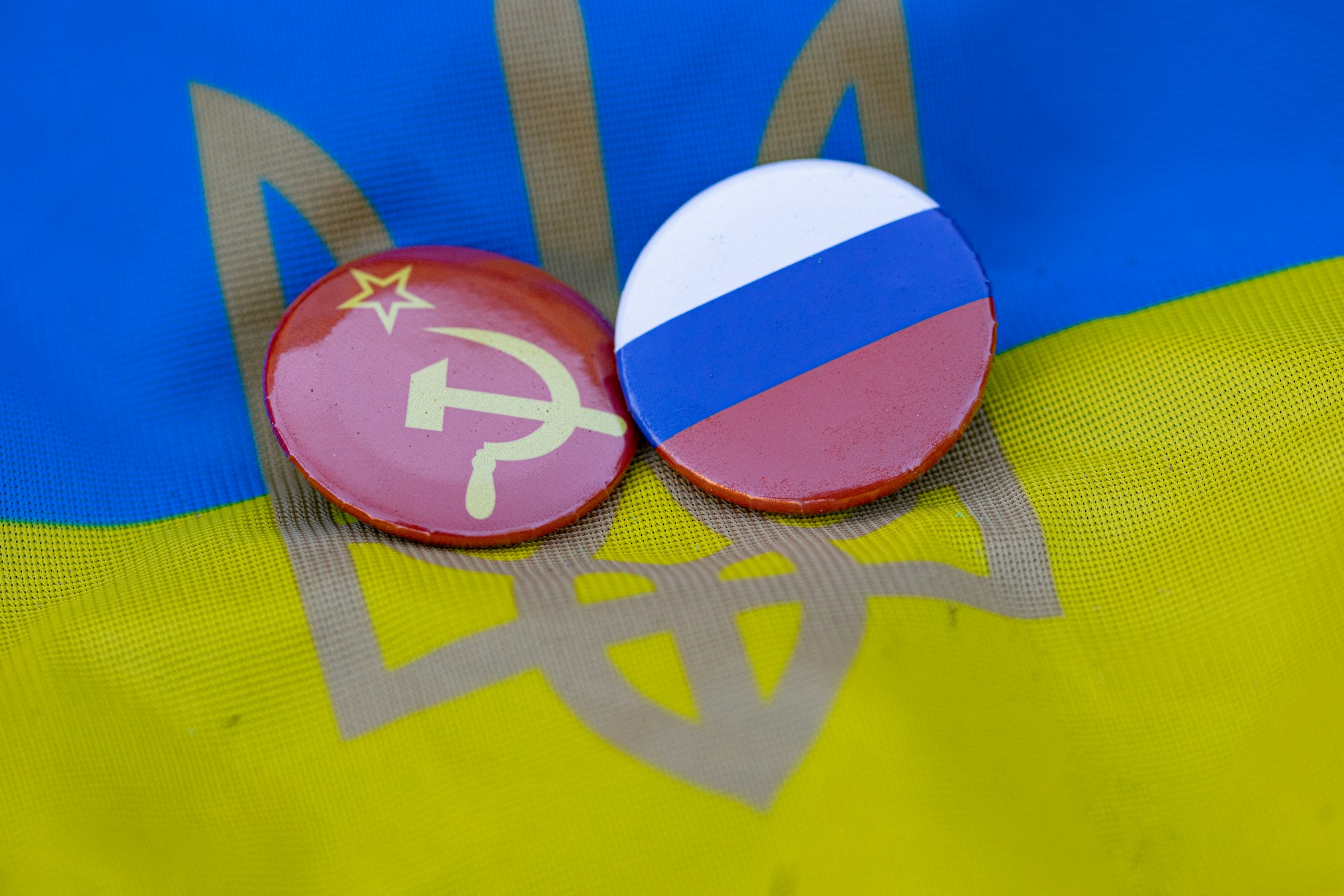
Western sanctions designed to isolate Russia have instead accelerated one of the most significant geopolitical realignments of recent decades. The impact of sanctions on Russia has driven Moscow and Beijing into an increasingly integrated economic partnership, creating precisely the outcome Western strategists sought to prevent. This unintended consequence raises fundamental questions about strategic planning and whether current policies serve their stated objectives.
The Power of Siberia 2 Pipeline
Russia and China recently signed a memorandum to construct the Power of Siberia 2 pipeline, a $13.6 billion project stretching 2,600 kilometres through Mongolia. Once operational, this infrastructure will deliver 50 billion cubic metres of gas annually to China, as reported by UnHerd. The pipeline represents far more than a commercial arrangement. It establishes long-term energy security for Beijing whilst guaranteeing Russia a massive Asian market immune to Western political pressure.
Analysts cited by South China Morning Post predict the pipeline will cause a “structural shock” to global LNG trade. China’s reduced reliance on seaborne cargoes will fundamentally alter energy markets, undermining American ambitions for long-term European LNG contracts. Europe’s voluntary severance from Russian energy has thus enabled Beijing to secure affordable supplies that enhance its economic competitiveness relative to Western rivals.
European Self-Harm Versus Asian Opportunity
The question why sanctions on Russia have produced counterproductive outcomes becomes clearer when examining trade flow redirection. Russia’s share of EU oil imports plummeted from 29% to 2%, whilst gas imports dropped from 48% to 12%, according to UnHerd. These figures appear to validate sanctions effectiveness until one examines where Russian exports actually flow.
Asian markets have absorbed what Europe rejected. China has become Russia’s primary energy customer, purchasing crude and gas at discounted rates that provide Beijing with significant cost advantages over European competitors. This arrangement simultaneously funds Russian state revenues whilst strengthening Chinese industrial capacity. The strategic calculus suggests sanctions are not working to weaken Russia economically but are instead redistributing economic benefits from European to Asian economies.
The India Factor
India has emerged as another major beneficiary of Western sanctions architecture. Rather than purchasing refined products directly from European suppliers as previously, European nations now import petroleum products from India that originated as Russian crude. Repubblica details how the EU and Turkey imported 2.4 million tonnes of petroleum products from India during early 2025, with approximately two-thirds sourced from Russian crude. European buyers paid India roughly €1.5 billion for rebranded Russian oil.
This triangular trade arrangement demonstrates how EU sanctions Russia policies create profitable arbitrage opportunities for third parties whilst failing to reduce Russian revenues. India purchases Russian crude at discount, adds refining margins, and resells to Europe at premium prices. European consumers ultimately pay more for the same Russian oil they previously purchased directly at lower cost.
American Commercial Beneficiaries
US Energy Secretary Chris Wright articulated American energy strategy explicitly: “You want to have secure energy suppliers that are your allies, not your foes,” as quoted in UnHerd. ExxonMobil anticipates Europe signing multi-decade contracts potentially worth $750 billion for American gas. Italy’s Eni recently concluded a 20-year agreement with Venture Global, representing its first long-term deal with an American LNG producer. Edison and Germany’s Sefe have finalised similar arrangements.
These contracts lock European nations into decades of purchasing expensive American LNG that carries a substantially higher carbon footprint than Russian pipeline gas. The arrangements create structural dependencies that constrain European policy autonomy whilst transferring wealth from European consumers and industries to American energy corporations. Meanwhile, China secures affordable Russian energy through pipelines that provide stable, long-term supply at competitive prices.
The Sino-Russian Strategic Compact
Beyond energy transactions, Russian sanctions have catalysed broader cooperation between Moscow and Beijing across multiple sectors. Financial integration has accelerated as Russian entities seek alternatives to Western banking systems. Trade settlement increasingly occurs in yuan and roubles rather than dollars or euros, reducing Western leverage over future transactions.
Military cooperation has expanded alongside economic integration. Joint exercises occur with greater frequency whilst defence technology sharing deepens. These developments create a strategic partnership that would have seemed improbable before Western sanctions pushed Russia toward comprehensive Asian integration. The partnership now appears durable regardless of future political developments in Ukraine or elsewhere.
Legal Vulnerabilities Compound Strategic Setbacks
Whilst Western sanctions have failed to isolate Russia strategically, they have generated significant legal vulnerabilities for implementing nations. Lawyer Valérie Hanoun warns in Valeurs Actuelles that provisions prohibiting recognition of arbitration awards favouring Russian companies risk “violating binding treaty obligations.” More than 15 bilateral investment treaties between EU states and Russia remain enforceable, yet blanket refusals to honour awards strengthen Russian legal positions rather than weakening them.
Current arbitration cases including Nordgold’s €5 billion claim against France, Rosatom’s €3 billion dispute with Finland, and Rosneft’s €2 billion case against Germany represent merely initial proceedings. Successful arbitrations could impose “aggravated damages” for retaliatory stances, potentially generating liabilities reaching hundreds of billions. These financial burdens would transfer European taxpayer funds to Russian-linked entities through legal mechanisms, achieving outcomes opposite to sanctions intent.
The New Strategic Landscape
The strategic landscape emerging from three years of comprehensive sanctions reveals fundamental miscalculations. Rather than isolating Russia, Western policies have accelerated its integration into Asian economic systems whilst imposing substantial costs on European industries and consumers. The Sino-Russian partnership now possesses economic foundations and strategic depth that would have required decades to develop absent Western pressure. Reversing these geopolitical realignments will prove far more difficult than creating them, leaving Western policymakers confronting outcomes they neither intended nor desired when designing sanctions regimes that assumed Moscow lacked viable alternatives to European markets.


Leave a Reply